Hypospadias
The urinary opening is not at the tip of the penis.
What is Hypospadias?
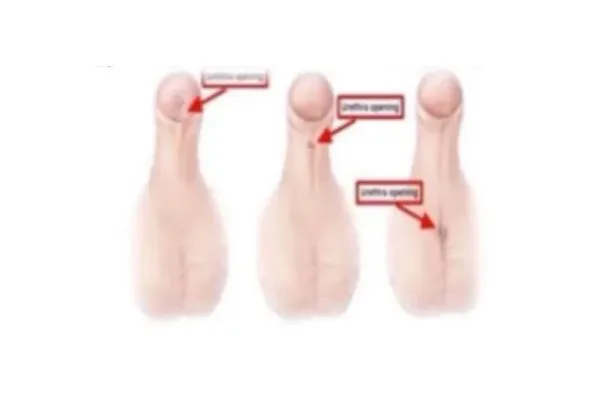
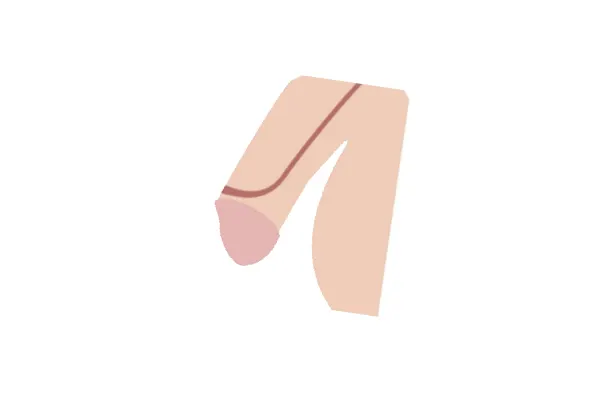
Hypospadias is a condition a boy is born with, in which the opening through which urine passes is not at the tip of the penis. Instead it lies somewhere along the underside — just below the tip in mild cases, and further back towards the scrotum in more marked cases.
Two other features often go with it: a downward bend of the penis, called chordee, and a foreskin that is incomplete on the underside, giving a “hooded” appearance.
It is one of the more common conditions a paediatric surgeon sees in boys. It is nobody’s fault, it is not caused by anything the mother did during pregnancy, and it is correctable by surgery.
In your language
Hypospadias
The urinary opening is not at the tip of the penis.
Hypospadias is a condition a boy is born with, in which the opening through which urine passes is not at the tip of the penis. Instead it lies somewhere along the underside — just below the tip in mild cases, and further back towards the scrotum in more marked cases.
ஹைப்போஸ்பேடியாஸ்
ஹைப்போஸ்பேடியாஸ் என்பது ஆண் குழந்தைகளில் பிறவியிலேயே ஏற்படும் ஒரு நிலை. சிறுநீர் வெளியேறும் துவாரம் ஆண்குறியின் நுனியில் இல்லாமல் அதன் கீழ்ப்பகுதியில் அமைந்திருக்கும். இது தாயின் தவறால் ஏற்படுவது அல்ல; அறுவை சிகிச்சை மூலம் சரிசெய்யக்கூடியது. பொதுவாக 6 முதல் 18 மாத வயதிற்குள் அறுவை சிகிச்சை செய்வது சிறந்தது. முக்கியமானது: குழந்தை அறுவை சிகிச்சை நிபுணரைப் பார்ப்பதற்கு முன் விருத்தசேதனம் செய்யக் கூடாது — அந்தத் தோல் சரிசெய்யும் அறுவை சிகிச்சையில் பயன்படுத்தப்படுகிறது.
ഹൈപ്പോസ്പേഡിയാസ്
ആൺകുട്ടികളിൽ ജന്മനാ ഉണ്ടാകുന്ന ഒരു അവസ്ഥയാണ് ഹൈപ്പോസ്പേഡിയാസ്. മൂത്രം പുറത്തുവരുന്ന ദ്വാരം ലിംഗത്തിന്റെ അഗ്രത്തിനു പകരം അടിവശത്തായിരിക്കും. ഇത് അമ്മയുടെ തെറ്റുകൊണ്ട് ഉണ്ടാകുന്നതല്ല; ശസ്ത്രക്രിയയിലൂടെ പരിഹരിക്കാവുന്നതാണ്. സാധാരണയായി 6 മുതൽ 18 മാസം വരെ പ്രായത്തിലാണ് ശസ്ത്രക്രിയ ചെയ്യുന്നത്. ശ്രദ്ധിക്കുക: പീഡിയാട്രിക് സർജനെ കാണുന്നതിനു മുൻപ് ചേലാകർമ്മം ചെയ്യരുത് — ആ ത്വക്ക് ശസ്ത്രക്രിയയിൽ ഉപയോഗിക്കുന്നു.
What Parents Notice
Not every child shows every sign. If something on this list matches your child, it is worth an examination rather than a guess.
- The urinary opening is on the underside of the penis rather than at the tip
- The stream of urine sprays or points downwards, or the boy has to sit to pass urine
- The foreskin looks incomplete or “hooded” on the underside
- The penis curves downwards, which becomes more obvious as the child grows
- In more marked cases the scrotum may look split, or the testes may not be in place
How It Is Confirmed
- Hypospadias is diagnosed by clinical examination — no scan is needed to make the diagnosis itself
- The surgeon assesses where the opening lies, how much the penis curves and the quality of the surrounding tissue, as these decide the type of repair
- If the testes are also undescended, or the appearance is unclear, further evaluation including ultrasound and hormone tests is advised before planning surgery
How It Is Treated
- Hypospadias is corrected surgically. There is no medicine or cream that repairs it.
- The operation moves the urinary opening to the tip of the penis, straightens any downward curve, and reconstructs the surrounding skin.
- Most repairs are completed in a single operation. Marked (proximal) hypospadias is sometimes planned as two stages a few months apart.
- A fine tube usually drains urine for a few days to a week while the repair heals.
- The foreskin is generally used in the repair, so parents are asked not to have a circumcision done before seeing a paediatric surgeon.
Does My Child Need Surgery?
Not every child with Hypospadias needs an operation. These are the situations in which surgery is advised — and the decision is always made after examining your child, never from a description alone.
Surgery is recommended for almost all boys with hypospadias — for normal urinary function, for normal appearance, and for normal sexual function later in life.
The usual window is between 6 and 18 months of age: old enough for safe anaesthesia, young enough that the child will not remember it.
Older boys and adults can still be repaired. Being late is a reason to come now, not a reason to stay away.
A very mild opening at the tip with a straight penis and a good stream is occasionally observed rather than operated. That decision is made by examination, not from a photograph.
What Happens Over Time
Most boys who have hypospadias repaired pass urine in a normal stream from the tip, stand to urinate, and have normal sexual function as adults. Milder hypospadias generally does better than more marked forms. A fistula or a narrowing can develop while the repair heals and is correctable with a further, usually smaller, procedure.
This describes what usually happens, not what will happen to your child. The surgeon will give you a specific picture after examining them.
Can It Be Prevented?
Hypospadias cannot be prevented. It forms early in pregnancy, before most mothers know they are pregnant, and nothing the mother did or did not do causes it.
From First Visit to Going Home
What happens, in order, so that nothing on the day comes as a surprise.
Consultation
Dr. Pratheep Samraj examines your child and goes through the history, earlier reports and any treatment already given.
Investigation
Only the tests that change the decision are asked for — commonly an ultrasound, blood tests, and occasionally an X-ray or a scopy.
Explanation
You are told what the condition is, whether it needs surgery, what happens if you wait, and what the operation involves.
Treatment
If surgery is appropriate it is planned with paediatric anaesthetic cover, with ICU and NICU support available in the hospital.
Follow-up
You go home with written instructions and a review date, and you can reach the hospital by phone or WhatsApp in between.
Hospital stay
Usually 2 to 5 days in hospital, depending on the type of repair and the drainage tube.
Recovery at home
Swelling and bruising for 1 to 2 weeks are expected and settle. Nappies are changed as usual; older boys avoid straddling toys and cycles for about 3 weeks.
Follow-up
A review when the tube is removed, again a few weeks later, and then periodically — the urinary stream is checked as the boy grows.
Please bring with you: all previous scan reports, blood test reports, discharge summaries, records of any earlier operation, current medicines, and your child’s immunisation card. Photographs on your phone of a swelling that comes and goes are genuinely useful.
Please note: this page is general information about Hypospadias, not advice about your child. Timing, suitability for surgery and the expected result differ from child to child and are decided only after clinical evaluation.
Questions Parents Ask
If your question is not here, send it on WhatsApp — you will get an answer from the hospital team.
Dr. Pratheep Samraj
Consultant Paediatric & Neonatal Surgeon · Palliyadi, Kanyakumari
Super-specialist surgical care for newborns, infants and children, with expertise in paediatric urology, congenital anomalies, gastro-intestinal surgery and minimally invasive surgery.
Related Conditions
Hypospadias does not correct itself. Surgery does.
No cream or medicine repairs it, and waiting does not improve it — most boys need one operation, usually between 6 and 18 months. Bring him for an assessment and you will be told what his own repair involves, not a general answer.
Consultation 10:00 AM - 1:00 PM & 4:00 PM - 8:00 PM · 24-hour laboratory & pharmacy
In an emergency — green vomiting in a baby, a groin swelling that will not go back, severe tummy pain, or a newborn not passing urine or meconium — come straight to the hospital or to your nearest emergency department. Do not wait for a reply to a message.